

The real estate market has been shifting rapidly in recent years — rising interest rates, changing buyer preferences, tighter inventory in many places, and new technologies. Whether you’re looking to buy, sell, or invest, knowing what trends are shaping the market can help you make smarter decisions.
Here are seven trends to watch in 2025, how they are already influencing the market, and what you should do to adapt.
U.S. Housing Inventory Is Rising
After years of record-low supply, the housing market is finally showing signs of relief. Inventory has been trending upward since 2023, giving buyers more options and reducing the pressure of bidding wars.
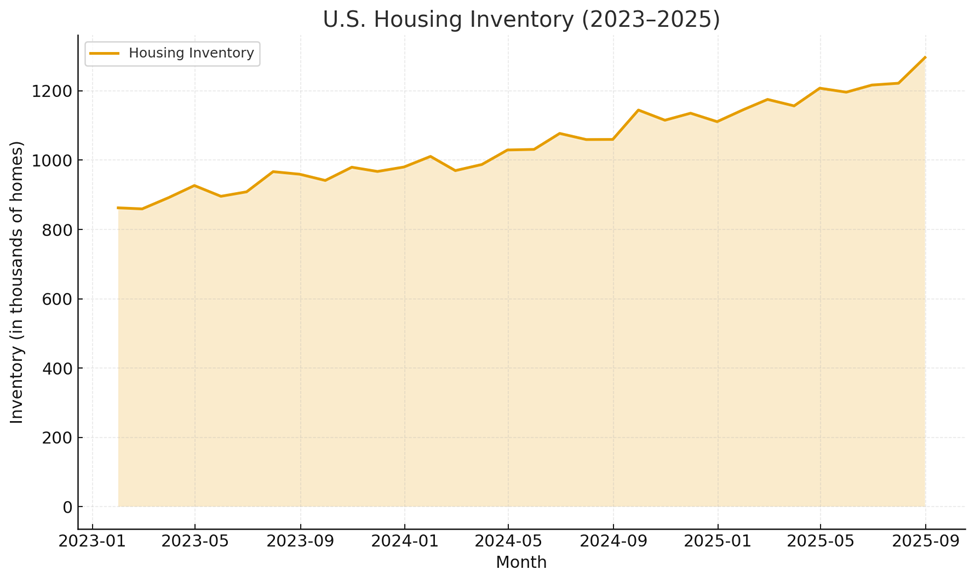
This gradual increase is good news for buyers who now have more leverage — and for sellers, it emphasizes the importance of pricing correctly to stay competitive.
1) Inventory is slowly rising, giving buyers
After being severely supply-constrained, many regions are seeing modest rises in available homes for sale. More inventory means buyers have more power to shop, negotiate, and not feel pressured.
2) Mortgage rates remain a major factor; shorter/alternative loan products are gaining attention
While rates are still higher than pre-2022 norms, forecasts suggest there could be modest declines in certain loan products (like 15-year fixed). These changes may open more opportunities for buyers who can manage the financials.
3) First-time homebuyers facing affordability challenges
Higher home prices, combined with elevated mortgage rates and sizable down payments or closing costs, are making it harder for first-time buyers. Virginia (and nearby DMV area) has several assistance programs, but many buyers still struggle
4) Regional shifts & growth of secondary cities / suburban areas
Remote work and lifestyle changes continue to push demand beyond major metro cores. Suburban locations and secondary cities are seeing increased interest as people prioritize space, less commuting, and better affordability.
5) Sustainable, resilient, tech-forward homes are more in demand
Buyers are increasingly valuing homes with energy efficiency (solar, battery backup), EV charging, resilient features (for weather, flood zones), wellness spaces, and better indoor environment.
6) Marketing real estate is more digital, more virtual, more data-driven
Virtual tours, AI tools in valuation, online staging, more sophisticated digital marketing (SEO, lead gen, social media), and use of data analytics are growing. If you are selling, your listing needs more than good photos, it needs good online presence.
7) Increased use of assistance programs & creative financing
Given affordability pressures, government programs, grants, down payment assistance, closing-cost help, and less conventional financing are more important. Also, local jurisdictions in Virginia are expanding offerings to help first-time buyers.
What Should You Do as a Buyer / Seller / Investor?
| Role | Strategy |
| Buyer | Get pre-approved; research assistance programs; prioritize must-haves (versus nice-to-haves); consider locations slightly outside prime zones to get more for your money. |
| Seller | Invest in staging, ensure your online listing is optimized; be realistic on price given rising inventory; highlight sustainable / energy / tech features. |
| Investor | Watch for secondary markets where value growth is reasonable; consider multi-unit or mixed-use properties; factor in long-term operating costs, especially as energy costs and insurance rises. |
2025 is a transition year: balancing between high costs, rising but uneven supply, shifting buyer values, and new technologies. If you stay informed and adaptable, you can position yourself to take advantage. Whether you’re buying, selling, or investing, knowing these trends gives you a clearer roadmap.




Join The Discussion